


Pioneering the Next Wave of Healthcare Innovation Through Gamification

The healthcare industry is evolving, embracing gamification to boost patient engagement and care delivery.

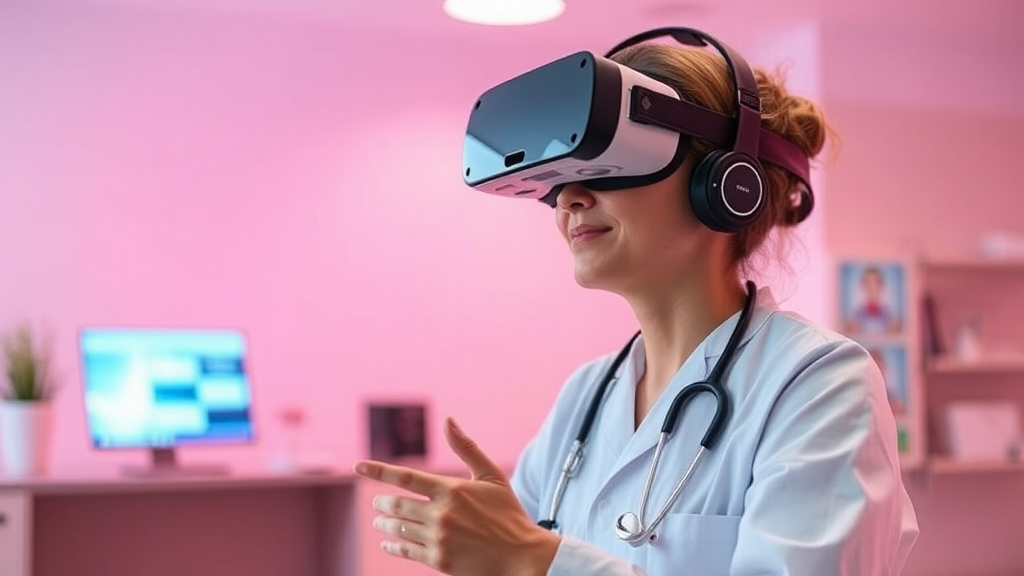
Pioneering the Next Wave of Healthcare Innovation Through Gamification

In today's digital age, the healthcare industry is continually evolving, seeking innovative ways to enhance patient engagement and care delivery. One of the most exciting developments is the integration of video games into healthcare—a strategy that empowers patients, boosts adherence, and improves knowledge retention, ultimately leading to better health outcomes. At Mode Games, we specialise in developing games that make a real impact, and we're here to help healthcare providers harness the full potential of gamification.

What Are Healthcare Games?

Healthcare games apply the principles of game design to medical contexts, creating tools that improve patient outcomes. Whether it's through educating patients, motivating them to follow treatment plans, or aiding in physical rehabilitation, healthcare games are proving to be powerful tools in modern medicine.

Key elements of healthcare games include challenges, quests, avatars, points, badges, and feedback systems—all designed to keep patients engaged and motivated. For example, Virus Blaster, a game developed by Gateway to Science, teaches young people about vaccines through interactive puzzles and challenges, promoting self-learning and experimentation.

Success Stories in Healthcare Gaming

Here are some standout examples of healthcare games that have made a significant impact:

  1. Sea Hero Quest: Developed in collaboration with Alzheimer’s Research UK, this game is designed to help researchers understand how the brain navigates space. By playing the game, users provide valuable data that aids in early diagnosis of Alzheimer’s disease. It's a powerful example of how gaming can contribute to groundbreaking medical research.
  2. SuperBetter: Created by game designer Jane McGonigal, SuperBetter is a resilience-building game that helps users overcome personal challenges such as anxiety, depression, and chronic pain. The game uses positive psychology principles to empower players, and research has shown it to be effective in improving mental health.
  3. EndeavorRx: Developed by Akili Interactive, EndeavorRx is the first FDA-approved prescription video game designed to treat ADHD in children. The game uses sensory and motor tasks to target specific cognitive areas in the brain, helping to improve attention function. This is a pioneering example of how games can be used as therapeutic interventions.
  4. Zombies, Run!: This fitness app combines exercise with storytelling, encouraging users to run and complete missions in a post-apocalyptic world. It's a great example of how gamification can motivate physical activity, making exercise more engaging and enjoyable.
  5. MySugr: This gamified app helps individuals with diabetes manage their condition by tracking blood sugar levels, diet, and physical activity. It turns daily health management into a rewarding game, helping users stay engaged with their treatment plans.
  6. Roche's MySugr Junior: An extension of the MySugr app, this version is specifically designed for children with diabetes. It uses a monster-themed interface to make diabetes management fun and less daunting for young users, helping them to track their blood sugar levels and stay on top of their care routines.

four arrows on white blocks leading to a yellow block with a trophy on it

The Role of Gamification in Healthcare

Patient noncompliance with treatment plans is a significant challenge in healthcare, often leading to poor health outcomes and increased costs. By incorporating gamification into healthcare, providers can engage patients in their treatment plans more effectively. Games not only make the process more enjoyable but also provide valuable cognitive distractions and motivate patients to stick to their routines.

Gamifying healthcare offers numerous benefits, including:

  • Increased Patient Engagement: Games can turn mundane tasks into exciting challenges, encouraging patients to participate actively in their care.
  • Improved Knowledge Retention: Educational games can simplify complex medical information, making it easier for patients to understand and remember.
  • Enhanced Compliance: By rewarding progress, games can help patients stay committed to their treatment plans, leading to better health outcomes.

The Benefits of Games in Healthcare

  • Interactive Learning: Games provide dynamic, engaging ways for patients to learn about their health conditions, leading to better education outcomes.
  • Cognitive Distraction: Games can help manage anxiety and pain by diverting patients' attention during treatment or recovery.
  • Post-Op Recovery: Video games can improve the recovery experience for patients after surgery, reducing anxiety and aiding in rehabilitation.
  • Physical Therapy: Gamified exercises make physical therapy more enjoyable, improving adherence and outcomes in patients.

Whats Next?

Healthcare games offer a promising approach to improving patient outcomes and enhancing the overall healthcare experience. By leveraging the power of game design, these innovative tools can increase patient engagement, improve knowledge retention, and motivate adherence to treatment plans. As technology continues to advance, we can expect to see even more exciting developments in the field of healthcare gaming, paving the way for a more engaging and effective healthcare system.

Have a game idea? Let us turn it into reality! Contact us today for expert game development services and see how we can bring your vision to life.

Get a game made by the experts
Shane McCartney

Shane McCartney

CEO & Founder of Mode Games

Shane McCartney has been a Game Developer and Technical Director for the past 10 years. Shane is a leading expert in making games with the Unity game engine. He strives to design game concepts for clients to help them exceed their goals.

Our Case Studies

The most successful games we've made

All of our clients' games have a unique purpose and a story behind how we made them together. Find out how we ensured our customers' success.

Request a quote

Say hello

Our team would love to hear from you. Please provide as much detail about your idea or project as possible, this is so we can begin working with you.

Your message has been submitted.
We will get back to you within 24 - 48 hours.
cross icon
Check the highlighted fields and try again or contact us at sales@mode-games.com
Our offices

Let's start a conversation

There’s a free coffee in it and we’re friendly, so let's meet up!

Mode HQ – Sydney, Australia

Suite 705, 250 Pitt St. Sydney NSW Australia 2000

sales@mode-games.com
Phone number – available on request
Book a meeting
Mode office photo